The US Dollar Is King
You don't need to exchange money. The US dollar is accepted everywhere on the island — restaurants, supermarkets, taxis, gas stations, you name it. The local currency is the Aruban Florin (AWG), pegged at 1.79 to the dollar, but you'll rarely need it.
Don't be surprised if you pay in dollars and get change back in florins. That's completely normal. Just spend them before you leave — they're hard to exchange back home.
Credit cards are widely accepted at restaurants and shops, but carry some cash for smaller spots, food trucks, and tips.
The Weather Is (Almost) Always Perfect
Aruba sits below the hurricane belt, which means it almost never gets hit by tropical storms. Expect 82–88°F (28–31°C) year-round with constant trade winds that keep things comfortable even in the midday sun.
It barely rains. Seriously. Aruba is one of the driest islands in the Caribbean. The so-called "rainy season" from October to December just means you might get a 10-minute shower in the afternoon. Pack sunscreen, not an umbrella.
Tipping Is Appreciated — But Check Your Bill First
This one trips up a lot of visitors. Many restaurants in Aruba add a 10–15% service charge to your bill automatically. Always look at the bottom of your check before adding a tip on top — otherwise you might end up tipping 30% by accident.
If there's no service charge included (not every place adds one), 15–20% is the standard and always appreciated. When in doubt, just ask your server.
Gas Stations: Pay First, Then Pump
If you rent a car (and you should — more on that next), this one will save you some confusion at the pump.
At gas stations in Aruba, you walk inside first, tell the attendant your pump number and how much you want (in dollars is fine), pay, and then go pump your gas. It's the opposite of what most Americans are used to.
Most stations are cash-only, so make sure you have bills on hand. And don't wait until the tank is empty — the island is small but gas stations aren't on every corner.
Rent a Car — It's Worth It
Taxis in Aruba are safe and reliable, but they're not cheap. There are no meters — fares are fixed rates set by the government. A short ride from the airport to Palm Beach will run you around $25–30. Take a few of those a day and it adds up fast.
A rental car gives you the freedom to explore the island at your own pace. The roads are well-maintained, driving is on the right side, traffic is light, and nothing is more than 30 minutes away. Want to hit the Natural Pool, Arikok National Park, or Baby Beach? You'll need wheels.
Book in advance during high season (December–April) — rental cars sell out quickly. Prices are usually $40–70/day depending on the vehicle.
High Rise vs. Low Rise: Pick Your Vibe
Aruba's main tourist areas are split into two strips along the west coast, and they feel completely different.
The High Rise area (Palm Beach) is where the big resorts, restaurants, and nightlife live. It's lively, walkable, and you're never far from a good meal or a cold drink. This is where Che Bar is — right at Paseo Herencia Mall in the heart of Palm Beach.
The Low Rise area (Eagle Beach) is quieter, more laid-back, with wider stretches of beach and smaller boutique hotels. It's perfect if you want a more relaxed pace.
Both are great. If it's your first time and you want to be in the middle of everything, go High Rise. If you want peace and quiet with one of the most beautiful beaches in the Caribbean, go Low Rise.
High Season vs. Low Season
High season runs from December through April. The weather is perfect, the island is buzzing, and everything is in full swing — but prices for flights, hotels, and rentals are at their peak.
Low season (May through November) means fewer crowds, significantly better hotel rates, and — here's the thing — the weather is almost exactly the same. Maybe a degree or two warmer, maybe an occasional brief shower. That's it.
Locals' secret: September and October are the quietest months on the island. Rates drop significantly, beaches feel private, and restaurants have plenty of availability. If you don't mind a slightly quieter nightlife scene, it's the best time to visit.
Sunscreen Is Non-Negotiable
We can't stress this enough. The Aruba sun is intense — stronger than what most visitors are used to, even on cloudy or breezy days. The trade winds feel great, but they trick you into thinking you're not burning. You are.
Bring reef-safe SPF 50+ sunscreen, and reapply every couple of hours — especially after swimming. Don't forget your ears, the back of your neck, and the tops of your feet. Trust us: a bad sunburn on day one will ruin the rest of your trip.
You can buy sunscreen on the island, but it's expensive. Bring it from home.
The Tap Water Is Safe to Drink
This surprises a lot of people. Aruba has one of the best desalination plants in the world, and the tap water is completely clean and safe to drink. No need to buy bottled water.
Bring a reusable water bottle, fill it up at your hotel or Airbnb, and save yourself a fortune. Bottled water in tourist areas can cost $3–5 a pop — that adds up over a week-long trip.
Start Your Day Right in Palm Beach
Here's our best advice for any morning in Aruba: don't rush to the beach on an empty stomach.
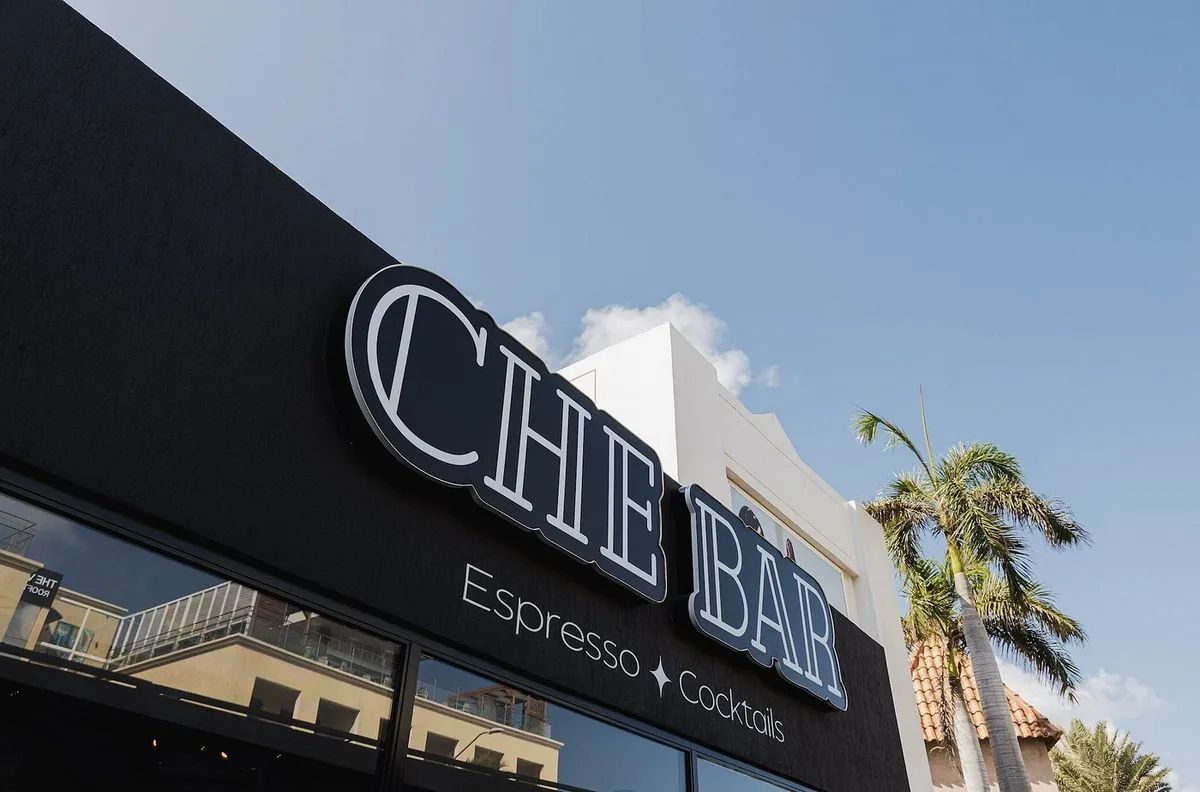
If you're staying in the High Rise area, Che Bar at Paseo Herencia Mall opens at 7:30 AM with Dutch pancakes, fresh coffee, empanadas, big breakfasts, and everything you need to fuel up before a day in the sun. Grab a table, take your time, and start the day right.
And if you want to make it a full-circle kind of day? Come back for happy hour from 5–7 PM (local beers for $5, cocktails from $7) and stay for wood-fired pizza and live music under the stars.
From sunrise to late at night — we've got you covered.